
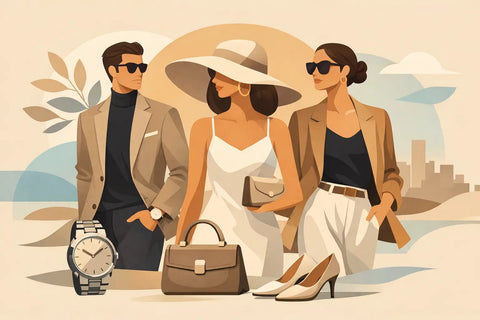
A jacket earns its place when the sleeves soften, the pockets become useful, and its shape still feels right years later. That is the real measure behind timeless fashion trends 2026. Not a color forecast or a seasonal silhouette. A return to garments with purpose, enough character to stand alone, and enough restraint to live with everything else.
The most lasting direction for 2026 is not newness. It is discernment. Buyers are looking past the rapid cycle of micro-trends and toward pieces that can hold their own across weather, work, travel, and changing personal style. The wardrobe is becoming a system again.
Timeless Fashion Trends 2026 Start With Function
Workwear remains relevant because it was never created to be decorative. A chore jacket was built to move in. Utility trousers were built to carry tools. Denim was built to take abrasion and improve through wear. Their appeal now is not costume or nostalgia. It is the visible logic of the garment.
In 2026, the strongest workwear references will feel edited rather than theatrical. Think worker jackets with clean lines, painter pants without unnecessary distressing, and overshirts cut from substantial cotton or textured linen. Details should do a job: reinforced seams, usable pockets, adjustable cuffs, durable closures. When a detail has no purpose, it rarely ages well.
This does not mean every garment needs to look industrial. Function can be quiet. A well-placed pleat changes movement. A slightly cropped jacket balances a fuller trouser. A fabric with density holds a silhouette long after a lighter cloth has lost its shape. These are practical decisions, but they create visual clarity.
Proportion Over Novelty
Fashion moves quickly when it depends on exaggeration. Timeless dressing depends on proportion.
The case for relaxed volume continues into 2026, particularly through fuller pants, easy shirts, and outerwear with room for layering. But volume only lasts when it is controlled. A balloon pant needs a considered taper or cropped length. A boxy shirt needs shoulder placement that feels intentional. An oversized coat needs enough structure to avoid becoming shapeless.
The goal is not a single universal fit. Different bodies need different balance. A shorter jacket may create definition over wide trousers. A longer overshirt can bring a vertical line to a simpler pant. A generous sleeve can make a plain shirt feel more considered without making it trend-dependent.
Gender-inclusive dressing is part of this shift. The most useful garments are not confined by a conventional menswear or womenswear rulebook. A photographer shirt, straight denim, utility skirt, or field jacket can be worn differently across bodies and still retain its identity. One garment. Different bodies. Different lives.
The case for a measured silhouette
A reliable wardrobe often has contrast built into it: fuller trousers with a closer base layer, a structured jacket over a soft shirt, a long coat with a cropped pant. This is not about following styling formulas. It is about avoiding visual sameness.
If every piece is oversized, the effect can feel vague. If every piece is tailored close to the body, movement and layering become limited. The lasting middle ground is room where it is useful and definition where it matters.
Honest Fabric Is the New Luxury
Fabric is where a garment’s future is decided. In 2026, the most enduring wardrobes will be built around materials with depth, weight, and a visible life ahead of them.
Cotton twill, dry denim, canvas, wool, ripstop, brushed flannel, and linen blends all make sense because they change with wear. They crease, fade, soften, and develop character without losing integrity. The aim is not perfection after every wash. It is a surface that becomes more personal over time.
Weight matters, though heavier is not always better. Dense canvas is excellent for outerwear and hard-wearing pants, but it may be too rigid for a shirt intended for warm climates. Raw denim has presence and longevity, but it asks for patience. Linen breathes beautifully, but its wrinkles are part of the agreement. Good buying means understanding these trade-offs before the garment enters your rotation.
Synthetic fibers also have a place when they serve performance. A small amount of nylon can improve durability. Technical lining can help a jacket function in wet weather. The question is whether the material supports the garment’s purpose or simply adds a futuristic finish that will date quickly.
The Return of the Useful Layer
Layering is less about styling theater in 2026 and more about adaptation. A wardrobe should respond to a cold office, a warm afternoon, a long flight, or a late dinner without requiring a complete change.
The overshirt remains central because it works across those conditions. Worn open over a tee, buttoned as a shirt, or placed beneath a coat, it offers shape without formality. The same applies to a light worker jacket, a vest with real pocket capacity, or a compact knit with enough weight to stand on its own.
This is where seasonless dressing becomes practical rather than aspirational. A piece does not need to work in every climate to be worthwhile. It needs to work repeatedly within your actual life. Someone in Los Angeles may rely on cotton twill layers year-round. Someone in Chicago may need wool, fleece, and a weatherproof shell for half the year. Timelessness is always local.
Build around repeat wear
Before buying, consider the garment in at least three settings: the ordinary weekday, the social occasion that calls for a little more intention, and the travel day when comfort matters most. If it only works in one of them, it may still be a good piece. It just should not become the foundation of the wardrobe.
The strongest foundations are often unremarkable at first glance: a substantial white or faded blue shirt, straight or curved-leg pants, dark denim, a durable jacket, and shoes made to be repaired. Repeated forms create a personal uniform. Variation comes through fabric, color, and wear.
Color With Staying Power
The most useful color palette for 2026 is grounded, not timid. Black, ecru, charcoal, olive, indigo, tobacco, navy, and faded khaki remain dependable because they work across materials and seasons. They also allow texture to do more of the visual work.
That does not require a wardrobe without color. Rust, washed red, mineral blue, deep yellow, and muted green can add specificity without demanding constant coordination. The difference is saturation and context. A color that looks drawn from a work shirt, a weathered sign, or a natural dye tends to sit more comfortably beside lasting neutrals than a highly synthetic, high-impact shade.
Consider color in terms of wear. Dark indigo fades. Black cotton can soften toward charcoal. Undyed denim and natural canvas collect marks. These changes are not failures. They are records of use. Choose colors you are willing to see evolve.
Details That Hold Their Ground
Timeless pieces are rarely blank. They carry enough detail to be recognizable, but not so much that they become tied to one moment.
Look for construction that reveals intention: chain stitching where it strengthens a seam, bar tacks at points of stress, sturdy buttons, balanced pocket placement, and collars that retain their form. A good garment often feels calm because every element is in proportion.
Care matters here. Wash less when appropriate, repair early, and follow fabric-specific instructions rather than treating every item the same. Denim, wool, waxed cotton, and knitwear each ask for different attention. Keeping a garment is an active practice, not a passive promise.
WORKWARE approaches this through forms with a past and a reason to remain: utility trousers, worker jackets, and shirts built around fabric, movement, and repeated wear. The standard is simple. Buy better. Keep forever.
What to Leave Behind
Not every 2026 trend needs to become a long-term commitment. Extreme proportions, novelty hardware, artificial aging, and logo-heavy statements can be enjoyable, but they often have a shorter life. There is nothing wrong with a temporary piece if you recognize it as temporary.
The problem comes when a wardrobe is made entirely of exceptions. If every purchase needs a specific event, a specific shoe, or a specific version of yourself, getting dressed becomes difficult. A lasting wardrobe leaves room for the occasional sharp interruption, but it is built on garments that continue to make sense after the noise has passed.
Choose the jacket you will reach for when the forecast changes. Choose the trousers that improve after a full day. Choose fabric that asks to be touched and construction that can take another year. The best direction is not ahead of everyone else. It is closer to what you will still want to wear.